The London Marathon, 23rd April 2017!

15991592_10154947920308824_767409434_o

A minute after completing my first ever Marathon…
Screen Shot 2017-04-25 at 11.50.10

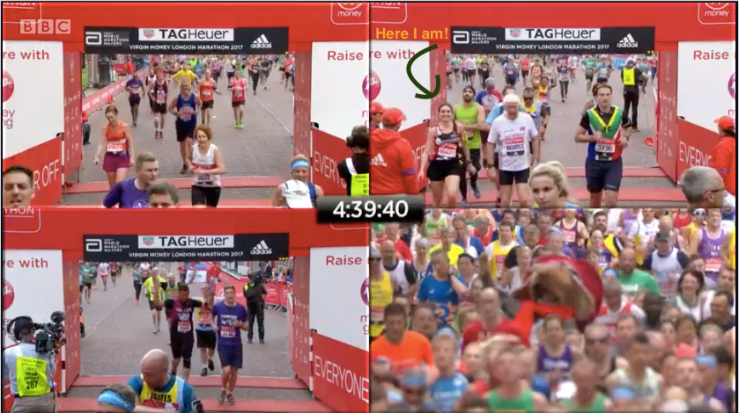
 On Sunday, 23rd April I completed the London Marathon!

It’s been two weeks since I run the London Marathon and in the meantime I also completed a ‘marathon’ of exams during the first week of May. This post is my Marathon Update from the days leading to the marathon and the actual Marathon day. I would like to thank once again everyone that sponsored me and Spinal Research UK. Your warm wishes were in my mind during the toughest parts of the race and kept me going! For those of you that still wish to donate, you can find my fundraising page here.

The lead up to the Marathon Days 

Trying to carb-load the 3 days prior to the race was quite fun to start off with but turned out to be a bit challenging as I still had to study for my upcoming exams and a pasta food comma was not fit for studying…It somehow though, all worked out in the end. 

I picked up my bib on the Friday from the London Marathon expo. The expo was fairly quiet thankfully as I made sure to get there first thing in the morning. A great experience and atmosphere that made me even more excited about running the marathon! The expo had a lot of product stands and also had activities where you could win money for your chosen charity. I was very pleased that I managed to strike for Spinal Research! I left the expo with a goodie bag of several products (that I munched on the next few days…). 

The night prior to the marathon I made sure to get a good night’s rest. As most of you will know by now, I decided to run the London Marathon back in October to support Spinal Research UK. I thankfully had my amazing friend, Alice give me a rigorous training plan and I managed to run 8 long runs (>21km) prior to running the marathon. This set me in a very good mental position to run the distance without worrying whether or not I would cross the finish line but rather to enjoy it! I am not sure if it was my preparation that kept me calm or the idea that the marathon would be a fairly easy task compared to my upcoming ‘marathon’ of exams…

The Marathon Day
658617_252833023_XLarge.jpg

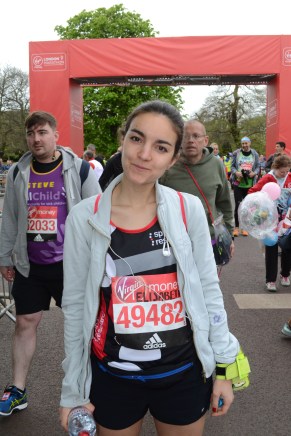
Pre-race face

I headed to the starting line by 9:20 am and started the race about an hour later. It was great to chat to fellow runners and hear their reasons why they were running the marathon. There were runners in their 20s, 30s, 40s, 50s, 60s, and 70s. It was an incredible feeling running alongside so many runners and along the way it somehow felt like a big running party! 

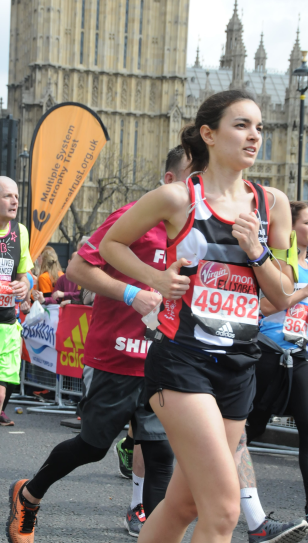
Running alongside over 40,000 runners it meant we started off the first few miles not having enough space to run and although this improved as we went along, in many parts, the roads were too narrow to accommodate the number of runners. This meant that when some of the runners stopped and walked instead of running there was no space to overpass them and keep a steady pace. Despite this, my marathon data analysis showed that by 35km I had passed 10,282 runners

The crowd along the way was an incredible motivator and there were numerous sites to get hold of water and Lucozade while people were offering jelly babies and orange slices!

This slideshow requires JavaScript.

I was lucky to have family and friends cheering me along the way and although I didn’t manage to see them all in the crowd, I knew they were there for me and that kept me going! 

My finish time was 04:20:23! 
marathon_Eli.png


Overall this was a great experience, I challenged myself though training for and running the actual race but most importantly I was able to raise awareness and money for Spinal Research, UK! With only two weeks left to meet my fundraising goal (23rd May), I would like to take this opportunity to thank you all once again for your support, it really means a lot to me! 

The question everyone asked after I completed the race was if I will be running the London Marathon next year? Well if you asked me two weeks ago, I would have probably said no, no time for marathon training on my final year of university… 


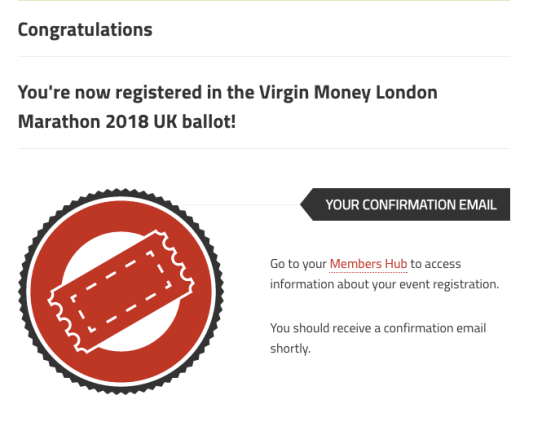
…But just as I said I would not be running the London Marathon next year (or any other marathon on my final year of university) my brother convinced me to enter the Ballot…So come October 2017, I will have to inform you on whether next year I will be taking up this challenge for the second time!
Screen Shot 2017-05-01 at 19.46.13

Screen Shot 2017-05-01 at 19.57.38

Continue reading “The London Marathon, 23rd April 2017!”

Interactions between TCF7L2 and MC4R gene variants with dietary factors on Type 2 Diabetes-related factors in the British population

16839641_10155070326003824_1091244081_nCindy Bei completed the Summer Studentship at the University of Reading under the supervision of Dr Vimal Karani
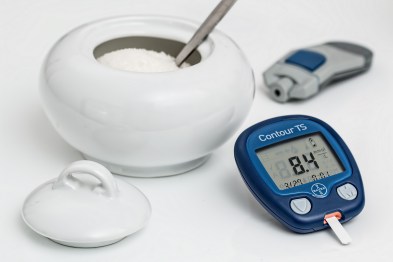
diabetes-1724617_1920.jpg

Project Title: Interactions between TCF7L2 and MC4R gene variants with dietary factors on Type 2 Diabetes-related factors in the British population.

About the project:

Statistical analysis on a study cohort to investigate the interaction between TCF7L2 gene variants [aka: single nucleotide polymorphisms] (rs12255372 and rs7903146) and MC4R gene variant (rs17782313) and dietary factors on Type 2 Diabetes related factors, in the British population.

What was the best aspect of your Summer studentship experience?

Being able to create my own work plan towards the project and getting the chance to experience what research is like.

What was the most challenging part of your studentship?

Overall my project wasn’t particularly challenging, but having to learn all of the basic and advanced knowledge so quickly in a short amount of time was hard.

What’s the one thing you learnt that is transferable to future work you might do?

Creating and delivering a presentation to professionals and non-professionals was an experience, especially translating complex science into simple lay-man’s terms.

Tips for anyone who is interested in applying for the NS – SS or a similar fellowship:

Use this opportunity to learn and experience as much as you can. 8 weeks (or however long other fellowships may be) isn’t that long, but it is long enough to learn some excellent skills that would be useful in future work: in industry, academia or charities. What you learn depends on what you want to learn.

Would you be interested to do more research in the future and if so what topic(s) would interest you?

I’m definitely going into research. As for the topic, I’m especially interested in the gut microbiota-brain axis, especially seeing the influence of diet on the gut microflora and subsequently, mental illnesses like depression or anxiety.

Continue reading “Interactions between TCF7L2 and MC4R gene variants with dietary factors on Type 2 Diabetes-related factors in the British population”

Glycaemic response and satiety after consumption of gluten-free bread containing buckwheat

16839641_10155070326003824_1091244081_n

Hanna Walsh completed the Summer Studentship at Oxford Brookes University under the supervision of Dr P. Sangeetha Thondre. You can find Hannah on Twitter

groats-1459940_1920.jpg

Project Title: Glycaemic response and satiety after consumption of gluten-free bread containing buckwheat.

About the project:

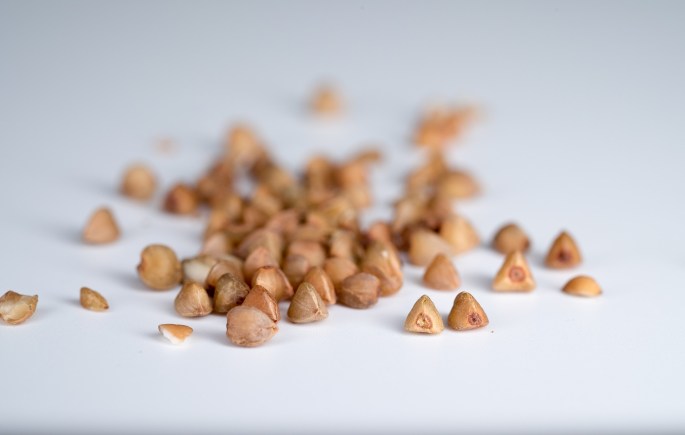
My project was about looking at the effects of a gluten-free product with buckwheat on glycaemic response and satiety. Buckwheat is naturally gluten-free and has high levels of fibre, protein and minerals which we are hoping could be used to create healthier product options for coeliacs following gluten-free diets.

buckwheat-1835998_1920

What was the best aspect of your Summer studentship experience?

The best part of my summer studentship was being able to apply all the knowledge I had about not only nutrition, but research methods and statistical analysis. I liked being given responsibility and being able to work on my own project.

What was the most challenging part of your studentship?

Though I liked the independence, it was at times challenging especially in the beginning when everything is new. I study in Finland so coming to England and getting used to the working environment was a big step.

What’s the one thing you learnt that is transferable to future work you might do?

I learnt all about the practicalities of undertaking research: lab skills, recruiting people, recording data. In general, it also made me more confident in my own skills and abilities.

Tips for anyone who is interested in applying for the NS – SS or a similar fellowship:

Try and find a good supervisor who will be there to support you but also give you responsibility because that is how you learn the most. They will also help you shape a strong research project.

Would you be interested to do more research in the future and if so what topic(s) would interest you?

I think I would enjoy doing more research in the future. Currently, I am interested in tackling nutritional problems in developing countries so being able to build a better understanding of that via research would be interesting.

Continue reading “Glycaemic response and satiety after consumption of gluten-free bread containing buckwheat”

Estimating the dietary intake of “free sugars” in the teenage population in the United Kingdom

16839641_10155070326003824_1091244081_n

Dove Yu is a final year Food and Human Nutrition student at Newcastle University. Dove completed the Summer Studentship at the MRC-EWL under the supervision of Birdem Amoutzopoulos and also received support from her advisor Professor Chris Seal at Newcastle University. You can find Dove on Twitter or contact her via her email: doveyu30@hotmail.com

lump-sugar-549096_1920.jpg

Project title: ‘Estimating the dietary intake of “free sugars” in the teenage population in the United Kingdom’.

About the project:

The recent SACN report recommends in line with WHO that free sugars intake should not exceed 5% of daily energy intake. However, UK NDNS reports sugar intake as “total sugar” and “non-milk extrinsic sugar”. Therefore, this study aimed to explore the feasibility of estimating free sugar intake using NDNS year 4 data and identifying suitable sugar definitions which can be used in population-based nutrition studies.

chocolate-1927921_1920

What was the best aspect of your Summer studentship experience?

This studentship allowed me to have a practical experience of doing my own research from thinking the rationale of the study to reporting the study findings. This is so different from doing coursework, where you may receive instructions or guidelines as you need to be creative and show your initiative while doing research. Through literature search, I understood more about the different definitions of dietary sugars and the scientific evidence pertaining to the benefits of reducing free sugar intake. Through designing my own study protocol, I developed my critical thinking and decision making skills. All of the skills that I gained here are very useful for doing my dissertation.

What was the most challenging part of your experience?

Manipulating a large database can always be challenging. I used to maintain a list of tasks that can be accomplished in a short time block. However, some tasks took me a lot more time than I thought to complete. So the challenge really is how you plan, prioritise and use your time effectively. Originally, we aimed to look at all of the foods consumed by the teenage population in NDNS year 1-4 but then we finally considered using NDNS year 4 only due to the limited time available. In doing research, you need to be adaptive as well because there are always changes happening.

Tips for anyone who is interested in applying for the NS – SS or a similar fellowship:

If you want to engage with any projects related to food composition, you’ve got to be well organised and pay attention-to-details. A good plan is important for any type of research project. Do prioritise things that are important. If you really get stuck with your research, think of any alternative ways to complete your tasks and do seek advice from your supervisor. Best of luck for those of you who would like to participate in this good opportunity!!!! 

Continue reading “Estimating the dietary intake of “free sugars” in the teenage population in the United Kingdom”

Inflammatory Bowel Disease and Additive Emulsifiers

16839641_10155070326003824_1091244081_n.jpg

I completed my Summer Studentship at the Department of Nutrition and Dietetics at King’s College London, under the supervision of Professor Kevin Whelan and Dr Megan Rossi. On the side, I run Fight the Fads with Harriet Smith and Caroline Day. A nutrition platform that aims to remove the fear and confusion over nutrition often created by the social media. You can find FTF on Twitter and Instagram and you can also find me on my personal Twitter account

Project Title: Inflammatory Bowel Disease and Additive Emulsifier

About the project:

16839669_10155070152188824_402068857_n

The incidence of inflammatory bowel disease (IBD) is increasing (Hanauer, 2006) alongside dietary intakes of food additives resulting from societies’ demand for palatable convenience foods (Lerner and Matthias, 2015). Exploration into this association has uncovered a novel mechanistic pathway by which some food additives, specifically synthetic emulsifiers, may trigger colitis. (Roberts et al, 2013 and Csaki, 2011) Moreover, convincing evidence in support of this emerging hypothesis demonstrated that mice fed common emulsifiers, carboxymethylcellulose and polysorbate-80, at relatively low doses induced significant colitis in those predisposed to IBD (Chassaing, 2015). This landmark study, published in Nature, has raised serious concerns behind the safety of additive emulsifiers, warranting investigation in humans.

Consequently, aim of this project was to identify from the literature which emulsifiers have been associated with IBD and develop the methodology in order to quantify and qualify emulsifier intakes in patients with IBD, in order to compare them to the intakes of healthy controls and assess the health risk posed to potentially vulnerable groups. 

I conducted a literature review of published research relating to IBD and emulsifier consumption. Emulsifiers in the UK market were quantified using FoodMaestro®. Patients with IBD were recruited and completed a seven-day un-weighed food record. Three patients were analysed further using Nutritics® and their emulsifier intakes was quantified.

The literature results showed that Carrageenan (E407), Polysorbate 80 (E433) and Carboxy methyl cellulose (E466) is associated to IBD. Of the n=94,286 foods in UK Market, 30% contained any emulsifier. The distribution in food subcategories as organised by manufacturers varied greatly. Intakes of the three patients were not consistent, however sources were derived primarily from confectionary and processed meats.

The quantification of emulsifiers was limited as manufacturers are not obliged to provide the amount (mg) of emulsifiers used in food products in the same way as in carbohydrates (g). In addition, the European Commission allows the use of some emulsifiers as per quantum satis (= the amount required), without specifying an upper limit. I attempted to resolve this limitation by contacting manufacturers directly, liaising with the European Food Safety Authority and the Food Additives and Ingredients Association to obtain usage data. None of the information provided was adequate to quantify use of the three selected emulsifiers.

This is a very interesting area of research and additional studies with a larger sample size are required to be able to make any associations between intakes of additive emulsifiers and IBD in humans.

The best aspect of my Summer studentship experience:

Working alongside a team of leading professionals in the area of gut health was one of the best aspects of this project. I specifically enjoyed my meetings with my supervisors as they allowed me to organise my thoughts and experience how it is to be part of a research team. During the meetings I was able to get an insight on the way they work and the research they are conducting and understand how much hard work goes into completing a project. 

16901590_10155073866088824_1619539426_n.jpg

International Congress of Dietetics ENDietS Conference – Granada, Spain 6th September 2016

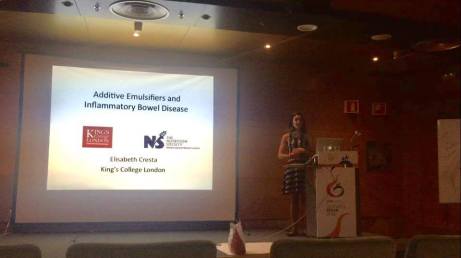
A highlight of my SS experience was the opportunity to present the outcomes of my project at the International Congress of Dietetics, ENDietS conference in Granada Spain. This required me to prepare an engaging presentation that would present my eight-week project in a ten-minute presentation. I really enjoyed this experience and I understood how much hard work is required to deliver complex information in a simple and engaging way.

The most challenging part of my studentship:

Due to the nature of my project, I was constantly re-evaluating the aims of my project based on the available data. This at times was very challenging mentally and psychologically as I had to completely disregard work I had spent many hours completing. What this taught me though, was that nutrition research is not a straight forward process and it is these changes that evidently led me my results. 

The one thing I learnt that is transferable to future work:

The Nutrition Society SS was an invaluable funding opportunity that not only supported my interest in IBD, but provided me with first-hand insight into a career in nutrition research.  I was able to develop many research skills, including recruiting, re-evaluating goals, time management, data collection, food data analysis, planning a research presentation and presenting. These are skills that will be invaluable for my future academic development and in particular my dissertation next year.

Tips for anyone who is interested in applying for the NS – SS or a similar fellowship:

My top three tips would be:

  1. Take your time to explore several areas of interest. Try to read a paper each day to stay up to date and familiarise with different topics can be useful. Speak to your lecturers and express your interest, this will evidently allow you to decide on an area that will interest you. 
  2. When you decide on a topic – Make sure to be passionate about your topic. Not only does this mean you will learn new things about a topic of your interest it also means you will enjoy your project. This is essential, particularly if you will be spending long hours working on it…  
  3. Take your time to complete your application. A targeted, well organised and structured application is likely to be successful! Explore different funding opportunities and don’t give up if you don’t succeed on your first application. 

Conducting research is a challenging project but one that will give you a lot insight into what it means to do research, organising your own time and being efficient so make the most out of this experience. While working on your project will be your main focus, make sure to speak to other researchers and learn about their areas of interest.

Good luck to everyone that wishes to apply for a research project this summer! 

Am I interested to do more research in the future?

As I have mentioned before I strongly believe research is the way forward in the nutrition science. Studying at KCL we are trained by leading scientist in the field of nutrition. Our training is based on the most recent evidence-based science and I would be definitely interested in conducting further research in the future. Currently, my interest is primarely on gut health, however the more I read on other topics I realise there are a large number of topics that interest me. Renal, oncology and cardiovascular health being some of them. 

Continue reading “Inflammatory Bowel Disease and Additive Emulsifiers”

The Summer Studentship Series

16839641_10155070326003824_1091244081_n

The Nutrition Society (NS) offers a unique funding opportunity to a limited number of students to undertake a research project during the summer months. The Summer Studentship Series on Research Girl Today is a collaboration with all students that took part in the 2016 NS Summer Studentship (NS-SS).

The Nutrition Society received a large number of applications and eight projects were selected and funded for the summer of 2016. The variety of topics highlight the diversity in the areas of research related to Nutrition. The projects included:

Elisabeth Cresta – Title of Project: Inflammatory Bowel Disease and Additive Emulsifiers

Johanna Bolinder – Title of Project: A pilot study to determine the effectiveness the Change 4 Life Sugar Smart App (SSA) has on influencing sugar consumption and further investigating the affect the App has on motivating healthier eating habits in healthy adults

Caroline Day – Title of Project: The effect of delivering dietary nitrate via different food matrices on blood pressure in normotensive volunteers

Dove Yu – Title of Project: Estimating the dietary intake of “free sugars” in the teenage population in the United Kingdom

Hanna Walsh – Title of Project: Glycaemic response and satiety after consumption of gluten-free bread containing buckwheat

Cindi Bei – Title of Project: Interactions between TCF7L2 and MC4R gene variants with dietary factors on Type 2 Diabetes-related factors in the British population

Toni Spence – Title of Project: The relationship between the immune response in pregnancy, birth outcome and polyunsaturated fatty acids (PUFA)

I decided to ask everyone a couple of questions related to their projects and general experience, in an attempt to give you an idea of the variety of projects we completed and the interesting elements of each project. My hope is to inspire more students to do research and provide useful information and tips for those who may be interested in applying for the NS Summer Studentship or other similar research projects.

I firmly believe research is the way forward in nutrition and I hope the Summer Studentship series will inspire more of you to get involved in research projects.

I will be posting daily for a week and you will have the chance to read all about our experiences and hopefully get inspired to apply to do a research project.

The 2017 Nutrition Society Summer Studentship application is now open and you can find it here or by clicking on the Nutrition Society logo below:

logo

Please comment and let me know if you have found these series useful!

Many thanks,

Elisabeth

Continue reading “The Summer Studentship Series”